The Conversation Continues: Hermsprong Volume II Is Published
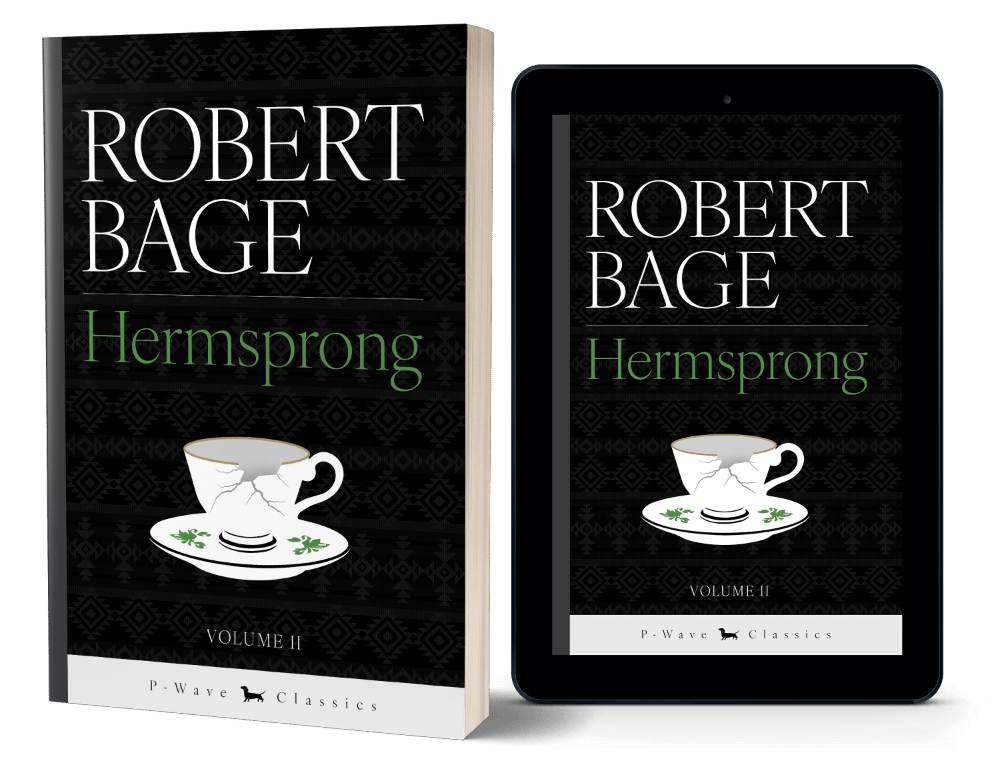
When we published Volume I of Robert Bage's Hermsprong earlier this year, we described it as the opening movement of one of the boldest and most neglected novels of the 1790s. Today, that conversation continues with the publication of Volume II.
One of the pleasures of restoring Hermsprong to its original three-volume structure has been rediscovering the rhythm with which Bage expected his readers to experience the novel. Modern editions often compress long eighteenth-century works into a single volume, making them feel like uninterrupted narratives. Read as originally published, however, the pauses between volumes become part of the novel's architecture.
Volume II demonstrates why that matters. By this point, the novelty of Hermsprong himself has worn off. His independence, refusal to bow to rank and insistence on judging people by character rather than status are no longer amusing eccentricities to the society around him. They have become increasingly difficult to ignore.
The same is true of Maria Fluart. If Volume I introduced one of the great overlooked heroines of eighteenth-century fiction, Volume II allows her wit, intelligence and moral confidence to take on even greater significance. She is never merely an observer of events. Again and again, Bage places her at the centre of the novel's intellectual life, using humour and conversation to expose assumptions about power, authority and the place of women in society.
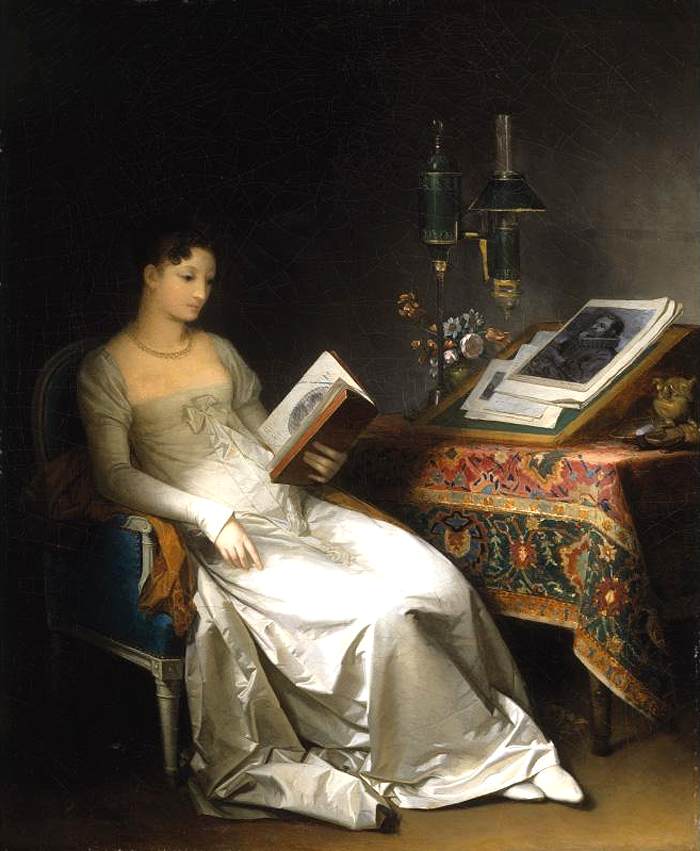
Lady Reading in an Interior (c. 1795–1800), Marguerite Gérard. Unveiled at almost the same moment as Hermsprong, the painting presents a woman as an absorbed and intellectually active reader rather than a decorative presence.
What continues to surprise modern readers is how fresh these exchanges still feel. Bage writes at a moment when Britain was wrestling with the implications of the American and French Revolutions, when questions of liberty, hierarchy and political authority seemed newly urgent. Yet Hermsprong rarely argues through speeches or political slogans. Instead, it explores these ideas through conversation, character and the everyday rituals of polite society. That is one reason the novel has proved so rewarding to edit.
Over the past few months, we have explored many of these themes through a series of essays published here on the P-Wave Press website, looking at everything from Hermsprong's habit of walking and Bage's rejection of London's cultural dominance to the remarkable character of Maria Fluart and the novel's engagement with women's education. Those essays have been an attempt to place Hermsprong back into the intellectual landscape from which it emerged. Not as a historical curiosity, but as a novel still capable of asking uncomfortable questions about status, prejudice, authority and freedom. Volume II continues that journey.
Like Volume I, this new edition has been prepared from early editions of the novel and includes extensive explanatory notes designed to illuminate Bage's language, historical references and literary allusions while preserving the texture of the original text.
It remains one of the central aims of P-Wave Classics to make neglected works accessible without modernising away the qualities that make them distinctive. Hermsprong is an ideal example of that philosophy: a novel firmly rooted in the eighteenth century, yet unexpectedly alive to concerns that continue to shape public debate more than two hundred years later.
Volume II of Hermsprong; or, Man as He Is Not is published today in paperback and ebook editions. Volume III will complete the restored edition later this year. If you are new to the novel, this is an excellent moment to begin with Volume I. If you've already met Hermsprong and Maria Fluart, the conversation now continues.
📚 Explore the book and order here →